🚚 Free Worldwide Shipping on All Orders!Shop Now

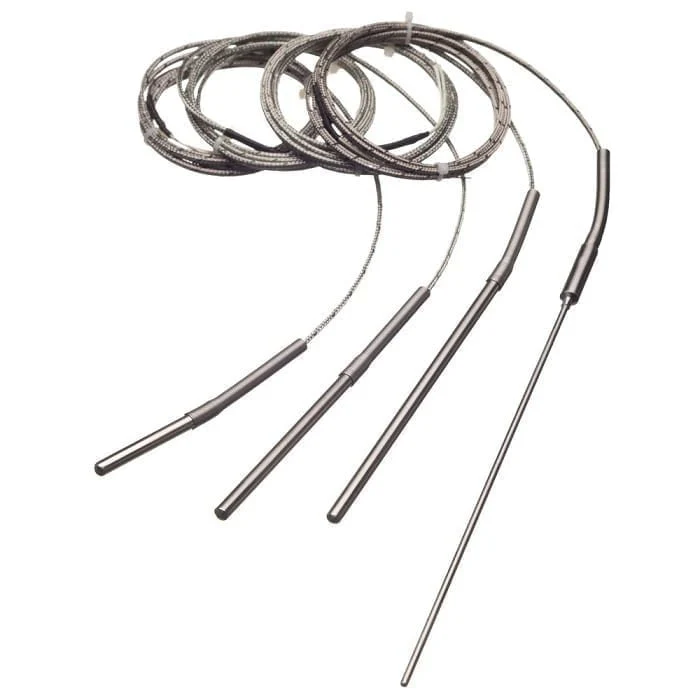
PT100/RTD Temperature Sensors 3mm Dia
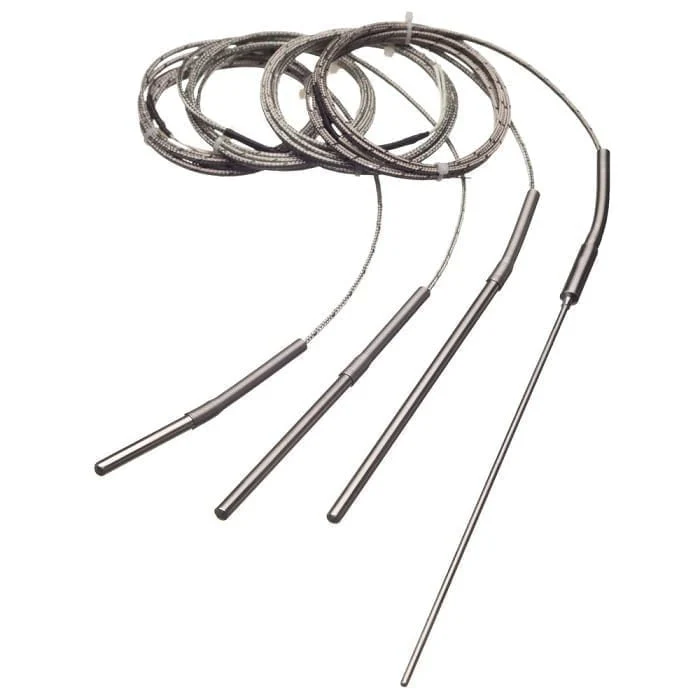
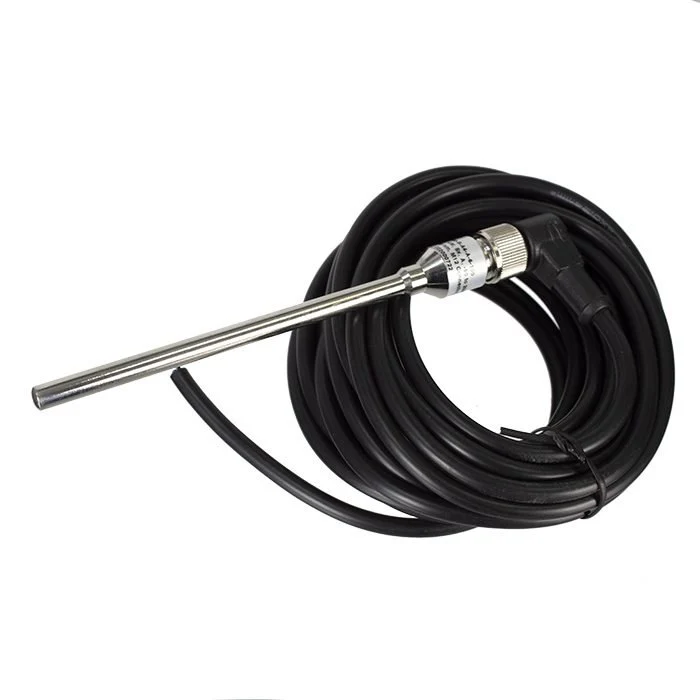
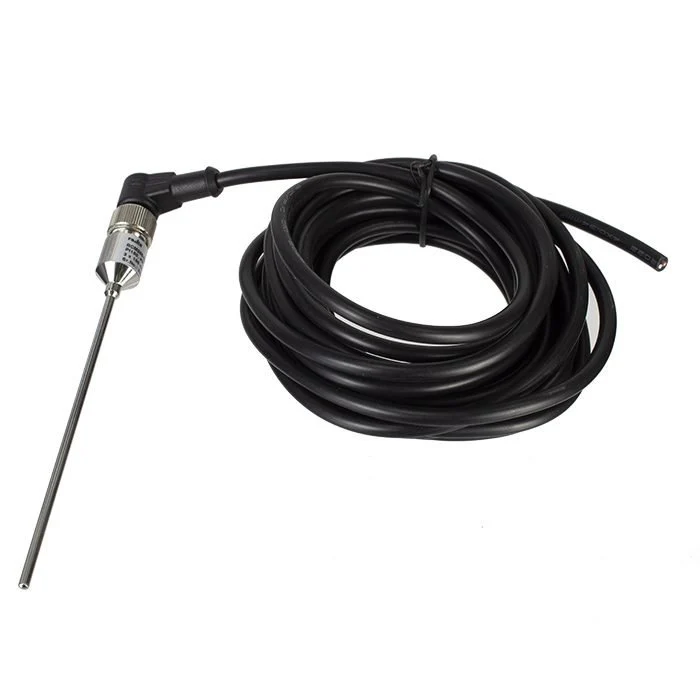
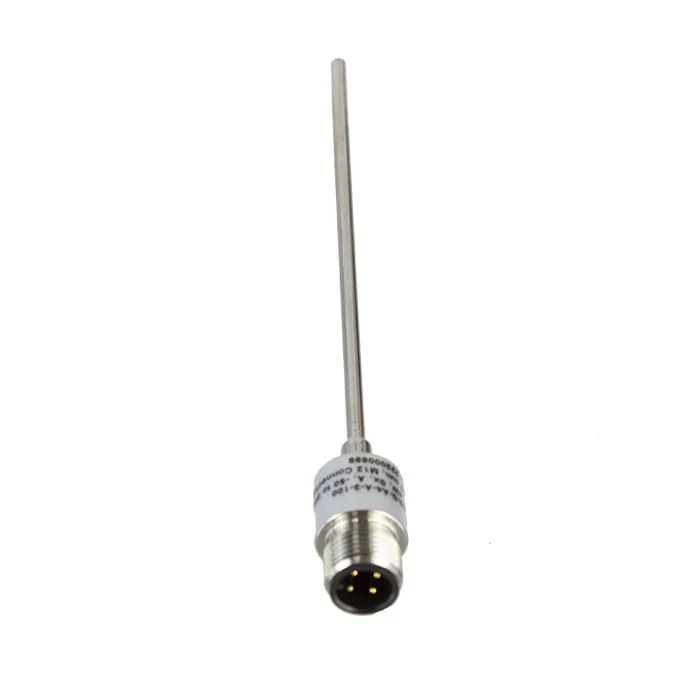
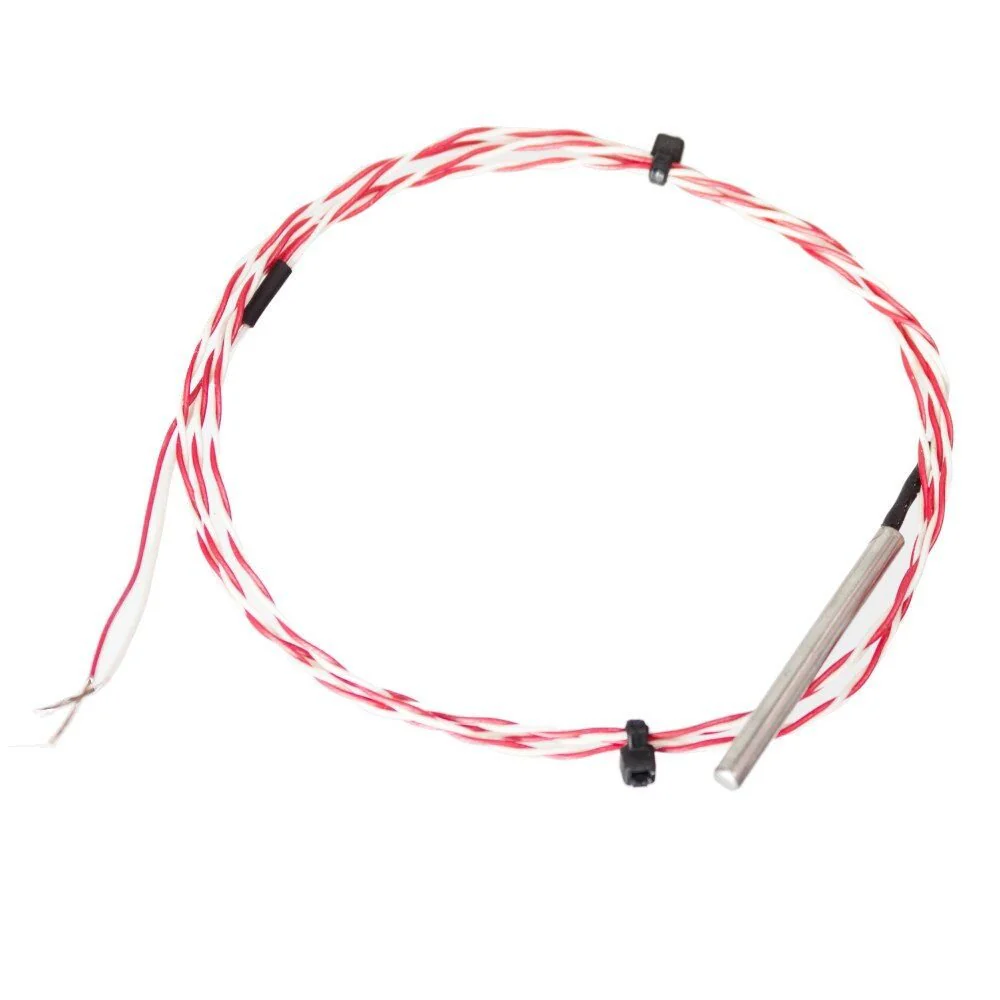
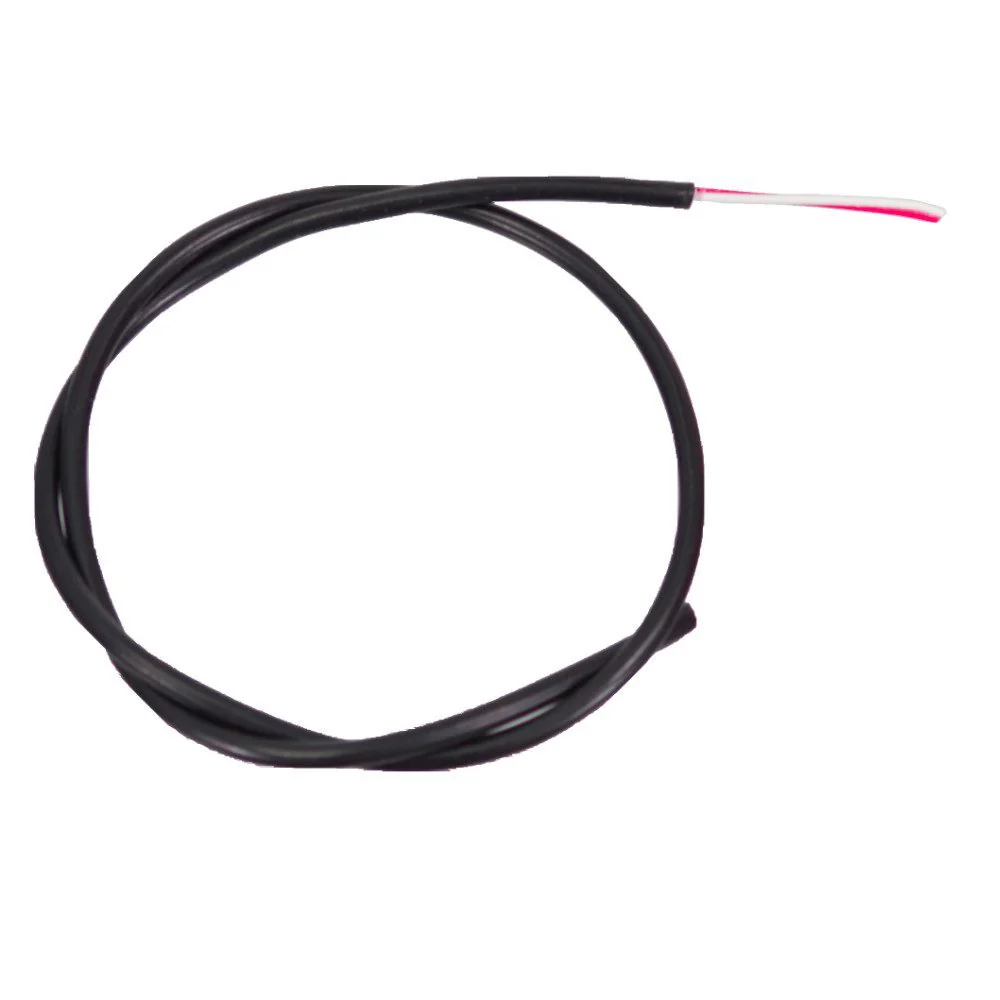
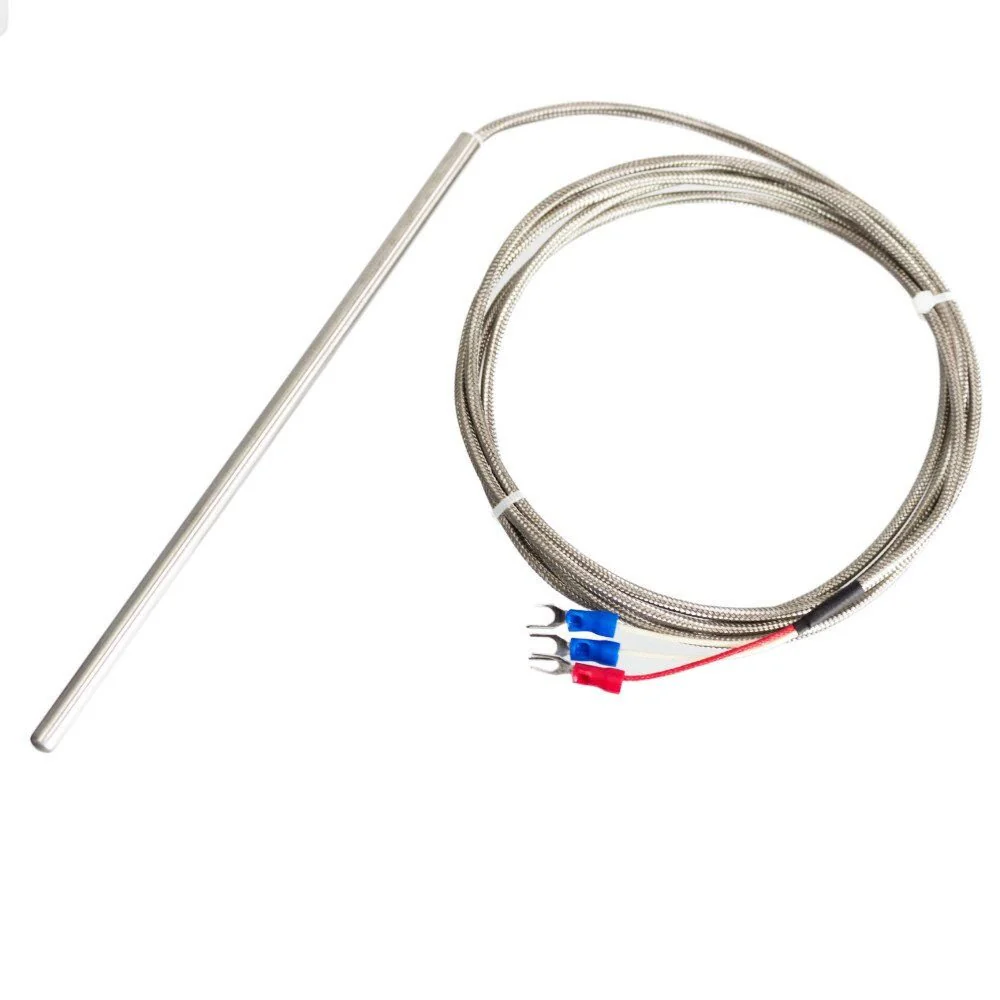
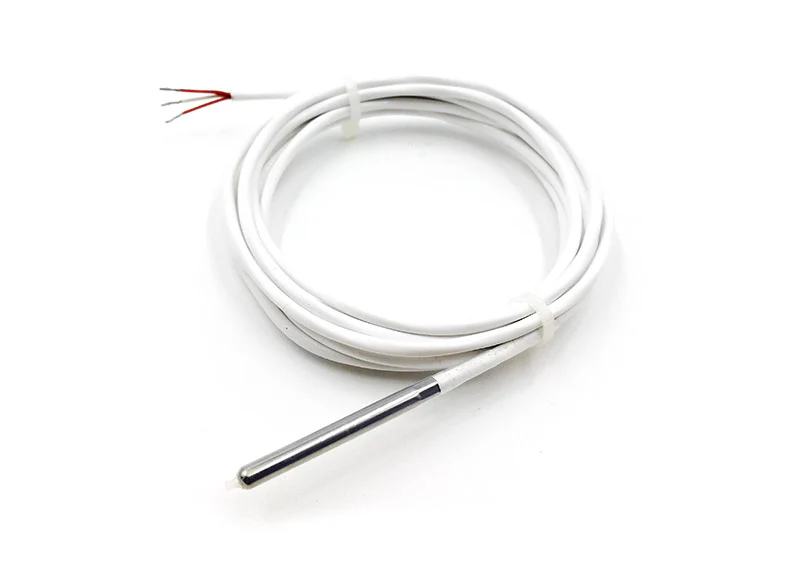
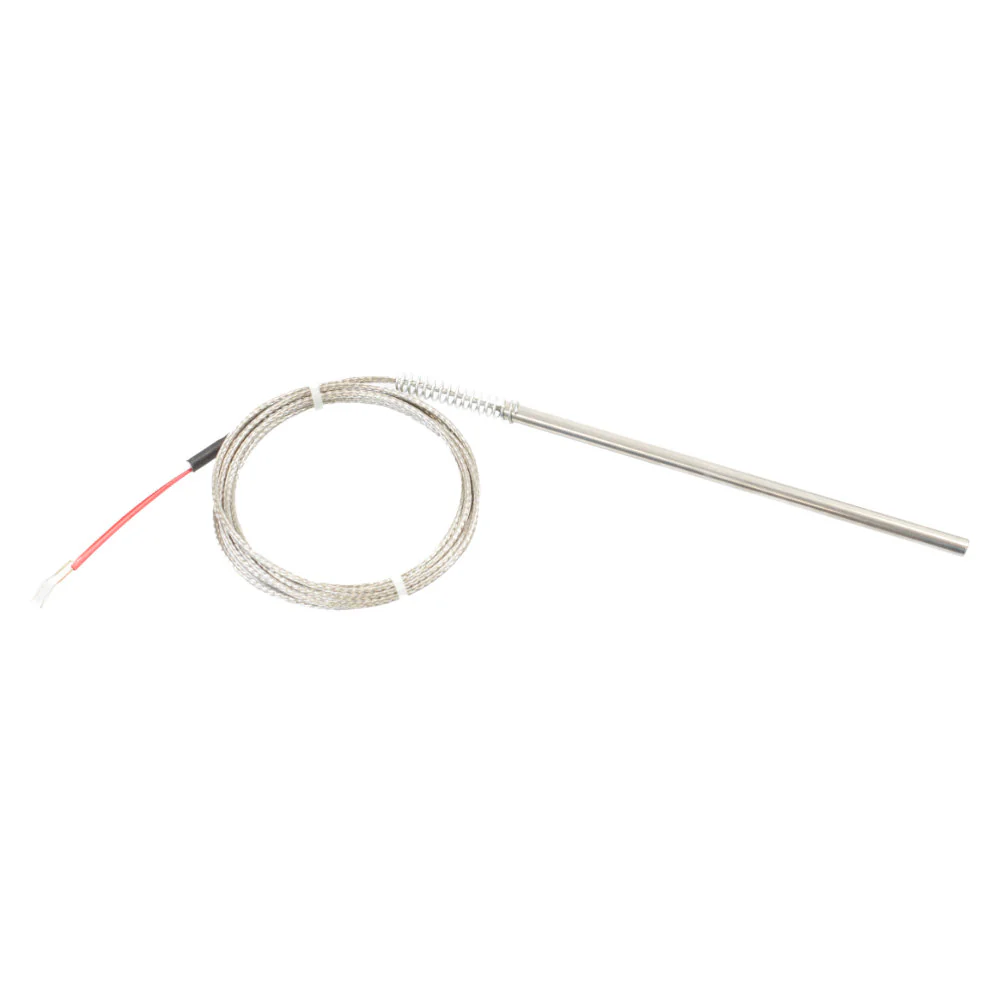
PT100/RTD Temperature Sensors 3mm Dia, available in various diameters and lengths. Fibreglass leads with stainless over-braiding and cable joint protection.
RTD (Resistance Temperature Detectors)
PT100/RTD Temperature Sensors 3mm Dia is to measure temperatures that require improved accuracy over what a thermocouple could offer. Typically connected to temperature controllers, they are 2 wires that can be as 3 wire with a loop.
They are made from Platinum or Nickel because they are very stable and liner over their temperature range. The purer the material, the more consistent and precise reading will be.
They are made from Platinum or Nickel because they are very stable and liner over their temperature range. The purer the material, the more consistent and precise reading will be.
Advantages
- More accurate than thermocouples
- Stability
- More linear than thermocouples
- Power supply required
- Higher costs than thermocouples
- Low resistance value
- Self-heating
Select Sensor length
From $17.46
PT100/RTD Temperature Sensors 3mm Dia—
$17.46
Product Information
Product Information
Shipping & Returns
Shipping & Returns
Description
PT100/RTD Temperature Sensors 3mm Dia, available in various diameters and lengths. Fibreglass leads with stainless over-braiding and cable joint protection.
RTD (Resistance Temperature Detectors)
PT100/RTD Temperature Sensors 3mm Dia is to measure temperatures that require improved accuracy over what a thermocouple could offer. Typically connected to temperature controllers, they are 2 wires that can be as 3 wire with a loop.
They are made from Platinum or Nickel because they are very stable and liner over their temperature range. The purer the material, the more consistent and precise reading will be.
They are made from Platinum or Nickel because they are very stable and liner over their temperature range. The purer the material, the more consistent and precise reading will be.
Advantages
- More accurate than thermocouples
- Stability
- More linear than thermocouples
- Power supply required
- Higher costs than thermocouples
- Low resistance value
- Self-heating